

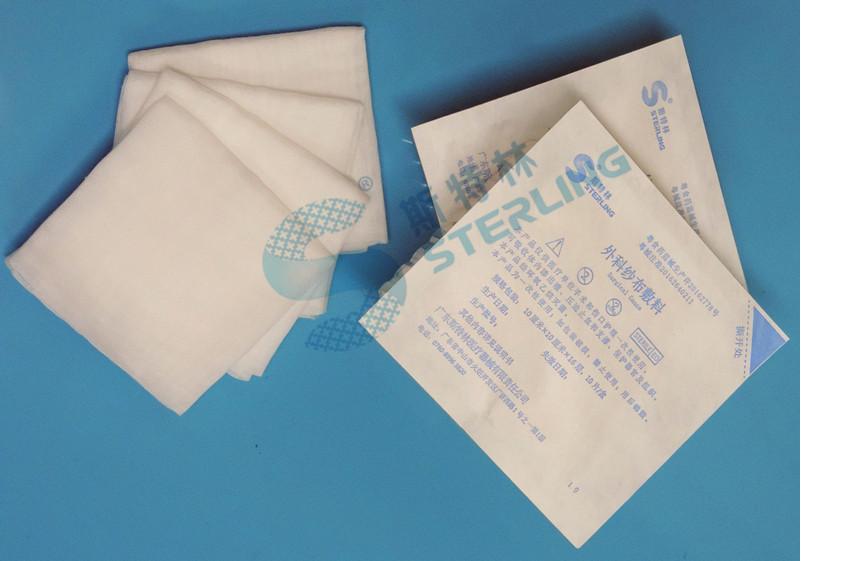
 Sterling's digital surgical sponge represents the latest generation of surgical sponges on the global stage. In addition to possessing all the features and capabilities of the currently widely used X-ray traceable sponges, it also offers a unique anti-retention function. It consists of standard absorbent cotton surgical sponge material and an embedded chip. Each chip contains a globally unique digital identification code, ensuring that every sponge also carries its own exclusive digital identifier, which is digitally recognized through RFID technology. The digital surgical sponge and its monitoring device have ushered in a new era of computer-managed surgical sponges, optimizing surgical workflows and significantly reducing the time required for sponge counting. It has effectively put an end to the century-old global surgical risk of retained surgical sponges.
How does the anti-retention function of "digital surgical sponges" outperform that of traditional surgical sponges?
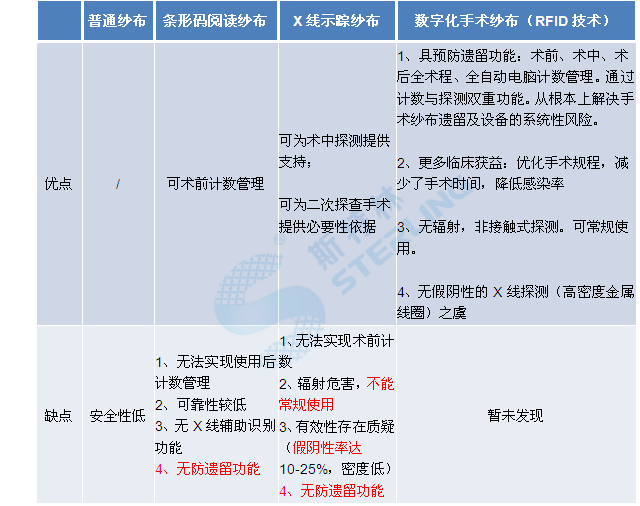
Compared to traditional surgical sponges, digital surgical sponges demonstrate unparalleled superiority in safety. Utilizing radio-frequency identification (RFID) technology, digital surgical sponges enable real-time dynamic monitoring during surgery. They not only feature a dual anti-retention mechanism but also reduce unnecessary traditional internal detection and incision exposure time, thereby lowering the risk of infection and minimizing intraoperative collateral damage.
The advantages of digital surgical sponges over commonly used X-ray traceable sponges.
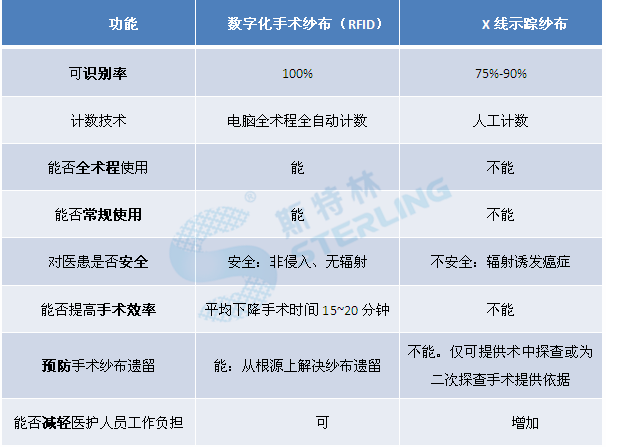
Currently, the primary type of recognizable surgical sponges used in hospitals are X-ray traceable sponges. However, X-ray traceable sponges have their limitations:
They do not support automated pre-surgical counting.
They cannot be used with X-ray devices for routine intraoperative monitoring.
Radiation risks: They expose both patients and medical staff to additional radiation.
Questionable effectiveness: If a sponge is left in a high-density area (such as near bones) or in obese patients, it can be difficult to detect accurately, with false negative rates as high as 10–25%. Additionally, X-ray-marked sponges may become twisted or folded, producing unusual images that could be mistaken for calcifications, intestinal contrast agents, or suture knots.

粤公网安备 44200002444234号